
Tour Overview
This 6-day photography journey unveils Fujian's diverse natural and cultural treasures. Chase magical sunrise and sunset light across Xiapu's painterly mudflats, where fishing nets and bamboo stakes create ever-changing coastal scenes. Explore the extraordinary Hakka Tulou, the UNESCO-listed round earthen fortress villages, before discovering the romantic international architecture of car-free Gulangyu Island in Xiamen. Ideal for landscape and cultural photographers.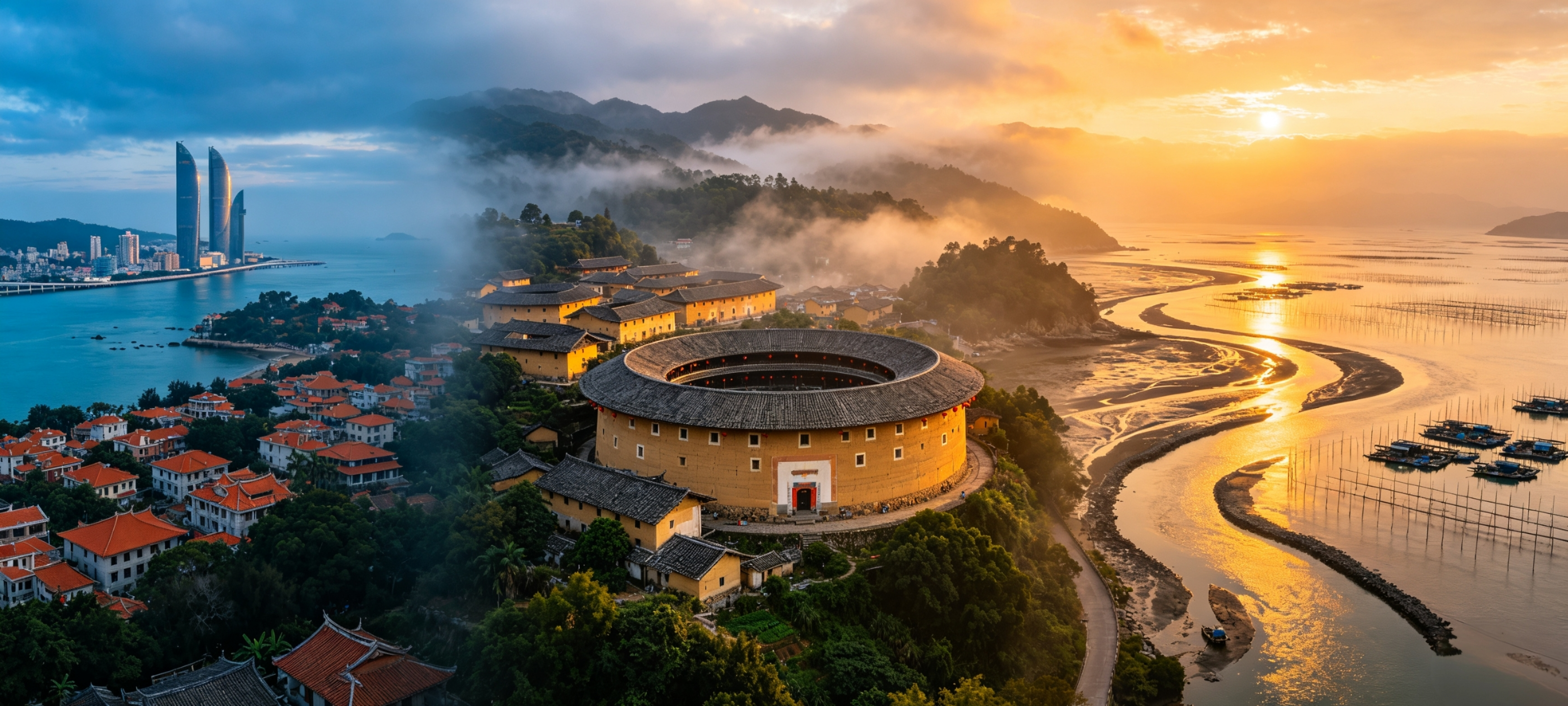
Tour Highlights
Day by Day Itinerary
Your local guide greets you at the train station and transfers you to accommodation. Relax and prepare for early morning photography on the following days..
Spot Detail Highlight
Xiapu is widely celebrated as China's premier mudflat photography destination. The intertidal zone reshapes constantly with daily tidal cycles, carving intricate organic textures across the wet sand. Before dawn and dusk, soft golden light washes over the shore, turning simple fishing stakes and moored boats into striking compositional elements. Local fishing villages retain authentic coastal traditions, offering candid shots of fishermen preparing nets, sorting seafood and tending kelp farms. A casual stroll nearby lets you familiarize yourself with the terrain and light conditions ahead of your sunrise shoots.
Spot Detail Highlight
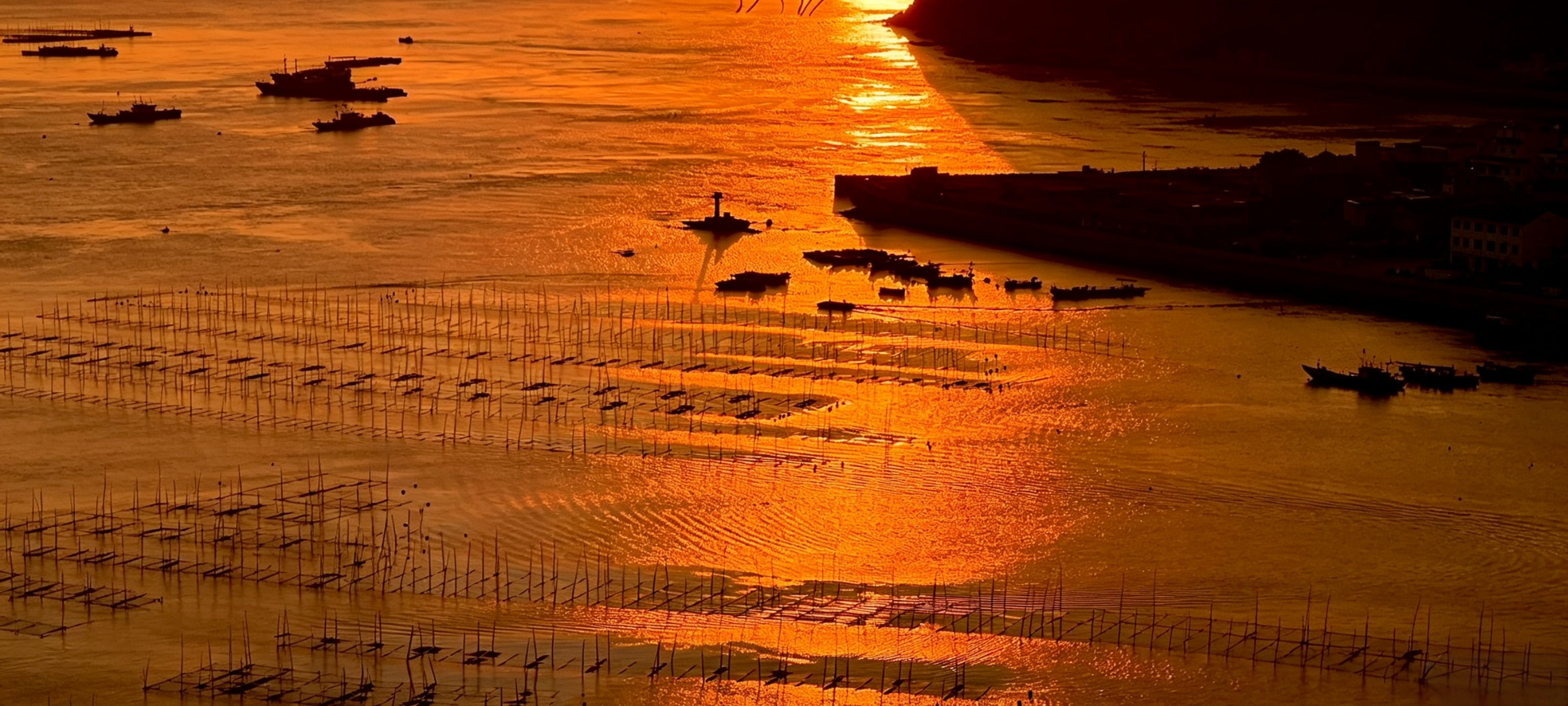
Xiapu Mudflat boasts endlessly shifting tidal landscapes. As tide water recedes, thin winding streams etch delicate vein-like patterns onto the mud surface, creating dreamy abstract frames. Yangjiaxi Ancient Banyan Village features colossal centuries-old banyan trees. Massive tangled aerial roots drop from wide canopies, forming natural green tunnels and shaded groves. At Xiaohao Village, the golden sunset sky reflects on shallow tidal pools. Local fishermen stage traditional net casting, where flying fishing nets form perfect circular silhouettes against the glowing horizon — one of Xiapu's most iconic photographic motifs.
Spot Detail Highlight
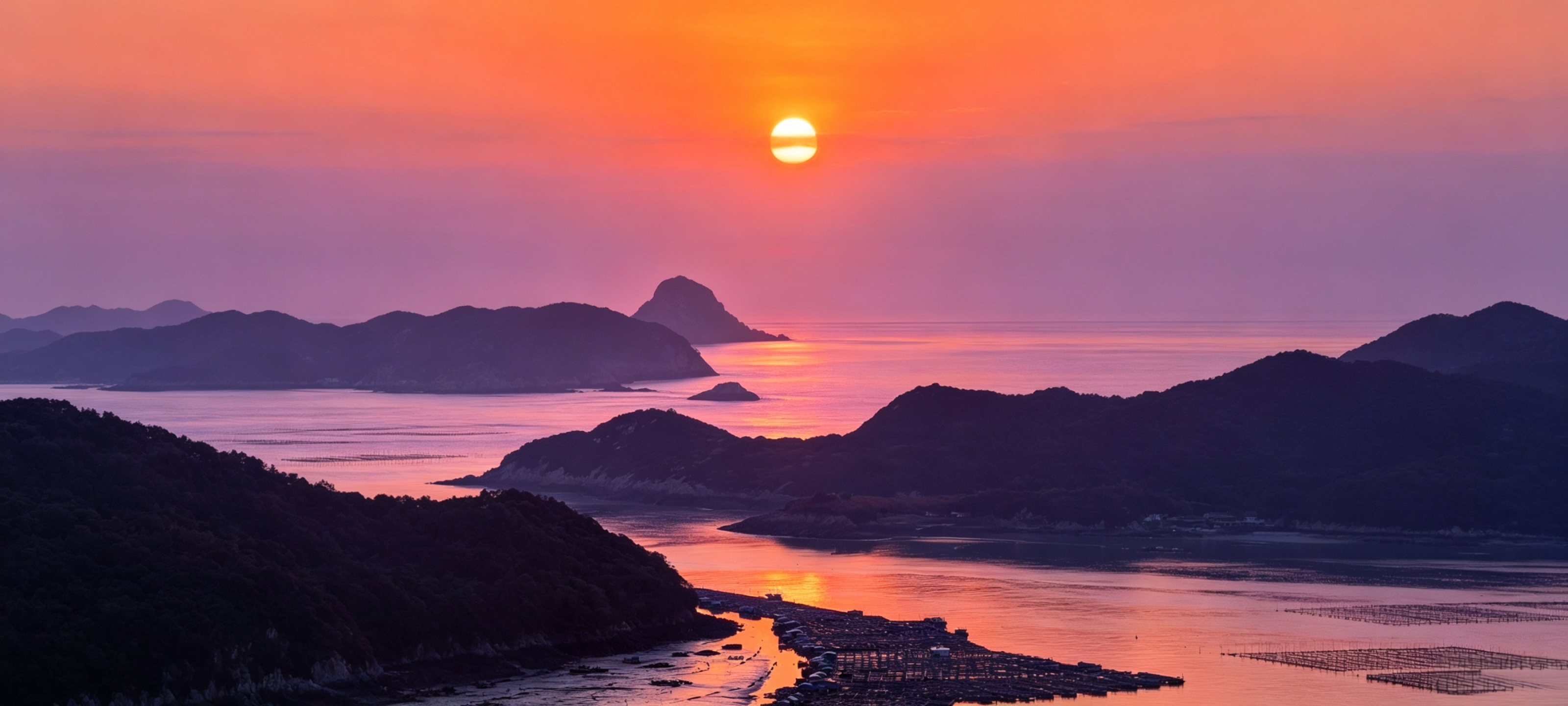
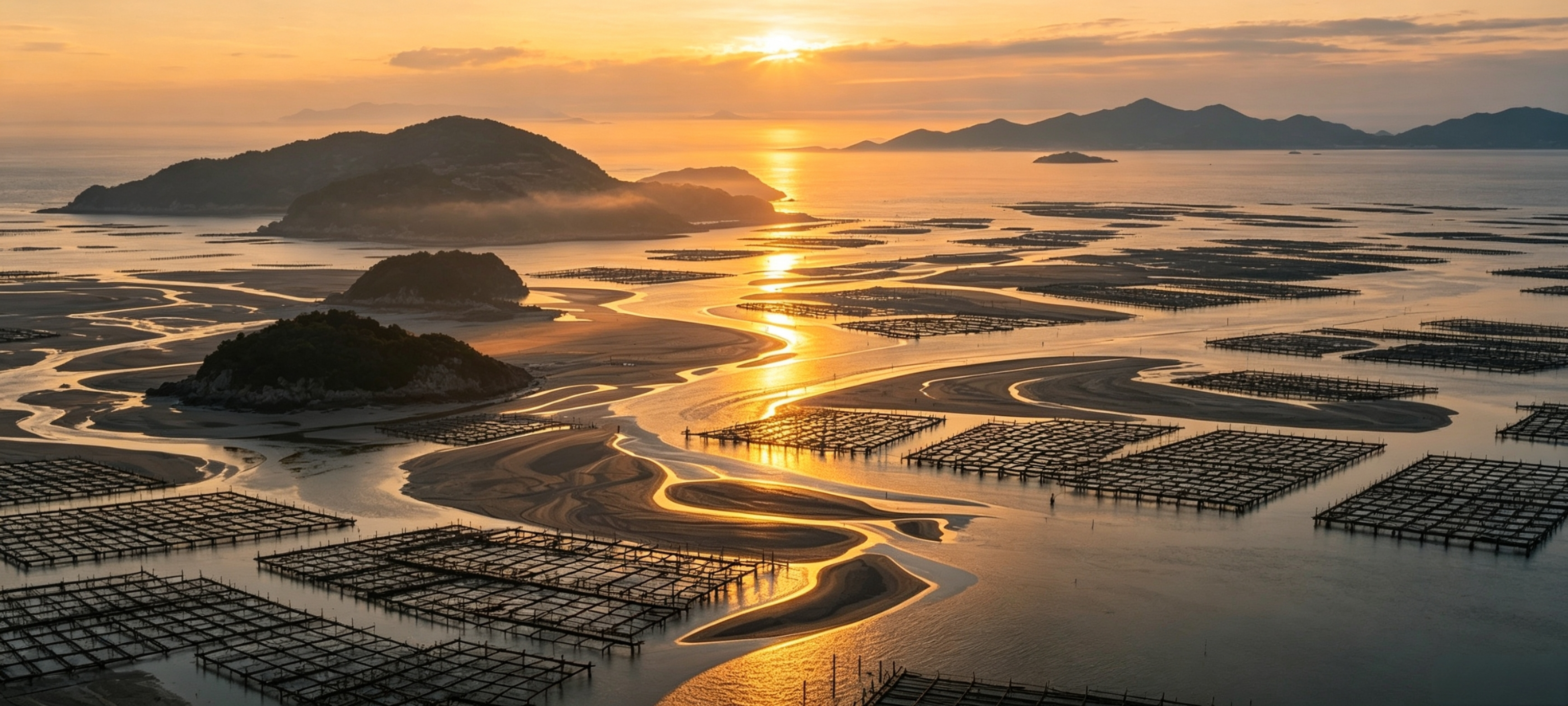
Beiqi Beach faces the open sea, delivering unobstructed sunrise views over the ocean. When the sun rises above the horizon, the low tide exposes broad mudflats dotted with wooden stakes. Shajiang's S-shaped gulf is Xiapu's signature landmark. Curved water channels snake through the mud, lined with dense rows of slender bamboo stakes planted to support kelp cultivation. During the kelp harvest season, fishermen hang long strips of kelp on these poles, creating layered flowing textures. Under warm sunset light, the S-curve of water creates strong leading lines, ideal for dramatic wide-angle landscape shots.
Spot Detail Highlight
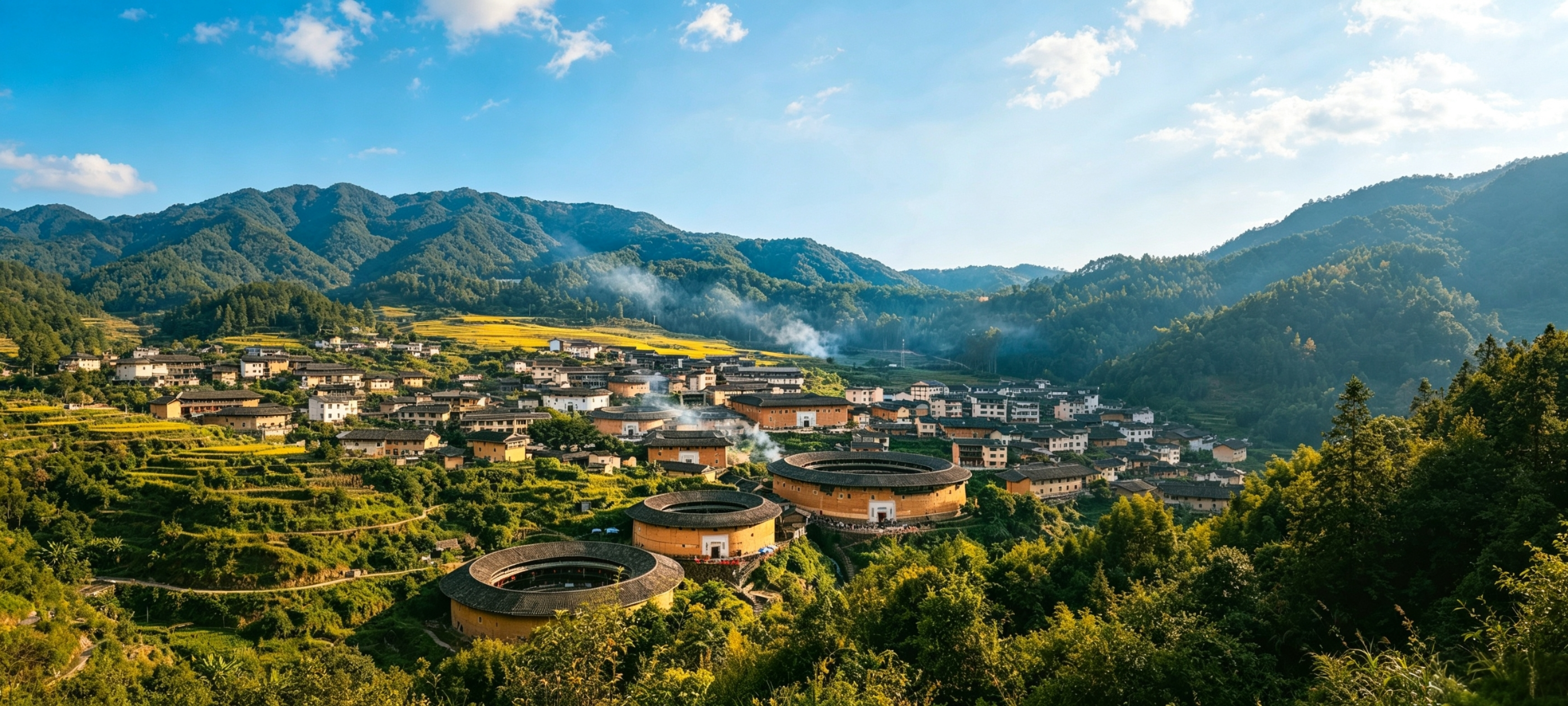
Tianluokeng Tulou Cluster is inscribed on the UNESCO World Heritage List, nicknamed Snail Hollow Village. Five earthen buildings of varying geometric shapes — round, square, oval — nestle together against rolling green mountains and farm terraces. These massive rammed-earth structures were built by the Hakka people for extended clans. Thick compacted earth walls resist bandit attacks, regulate indoor temperature naturally, cool in summer and warm in winter. The whole settlement harmoniously merges human architecture with mountain nature, representing the peak of traditional Hakka mountain settlement planning.
Spot Detail Highlight
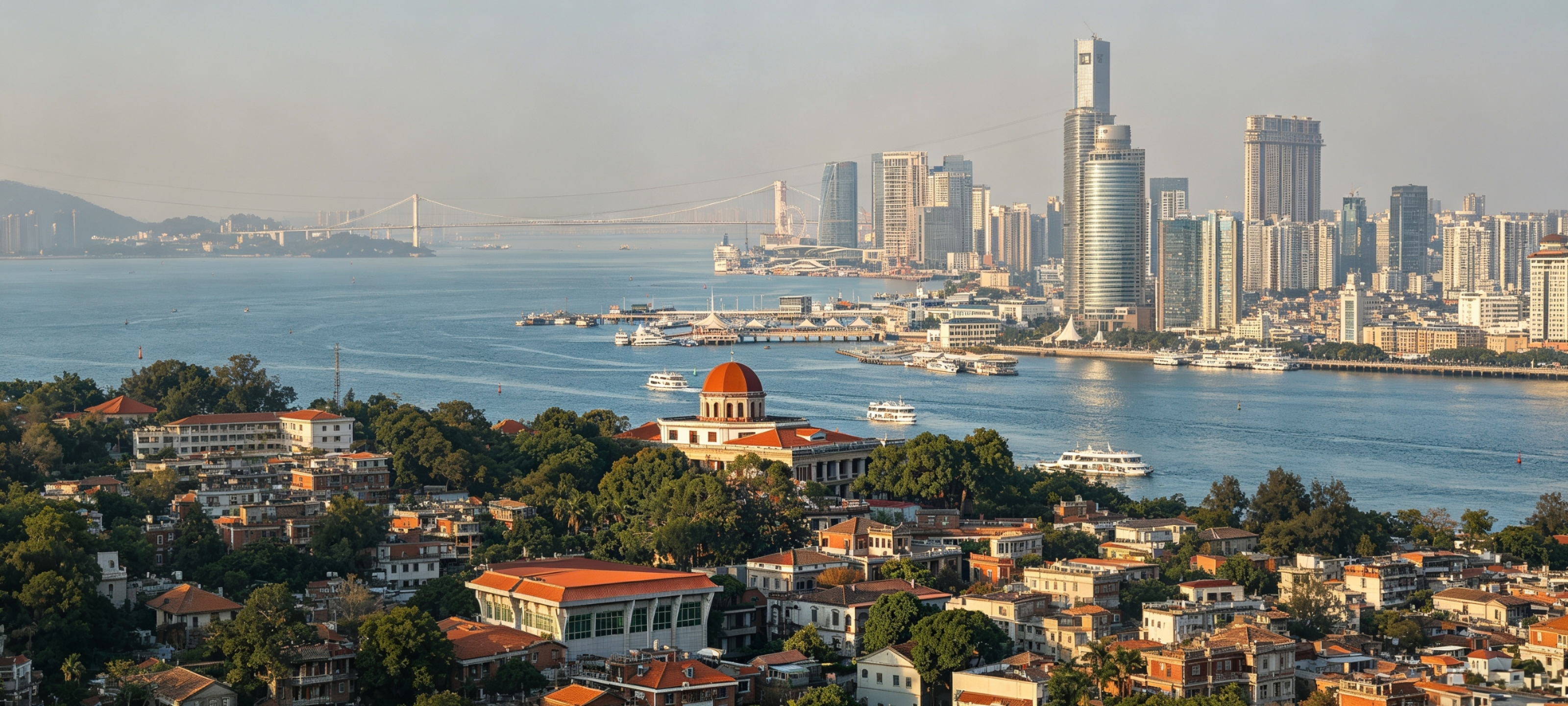
Hakka Tulou are monumental communal rammed-earth fortresses. Designed to house dozens of related families under one roof, their huge circular or square walls stand up to several stories high. Narrow windows on upper floors serve as defensive firing slits against bandits. Inside, wooden corridors, staircases and shared courtyards support tight clan community life. Gulangyu Island is a completely car-free islet. No motor vehicles operate here. It preserves hundreds of century-old villas, churches and former consulate buildings built in varied international architectural styles. Tree-lined quiet lanes, flowering shrubs and ocean breezes create a slow, romantic atmosphere perfect for architectural and street photography.
Spot Detail Highlight
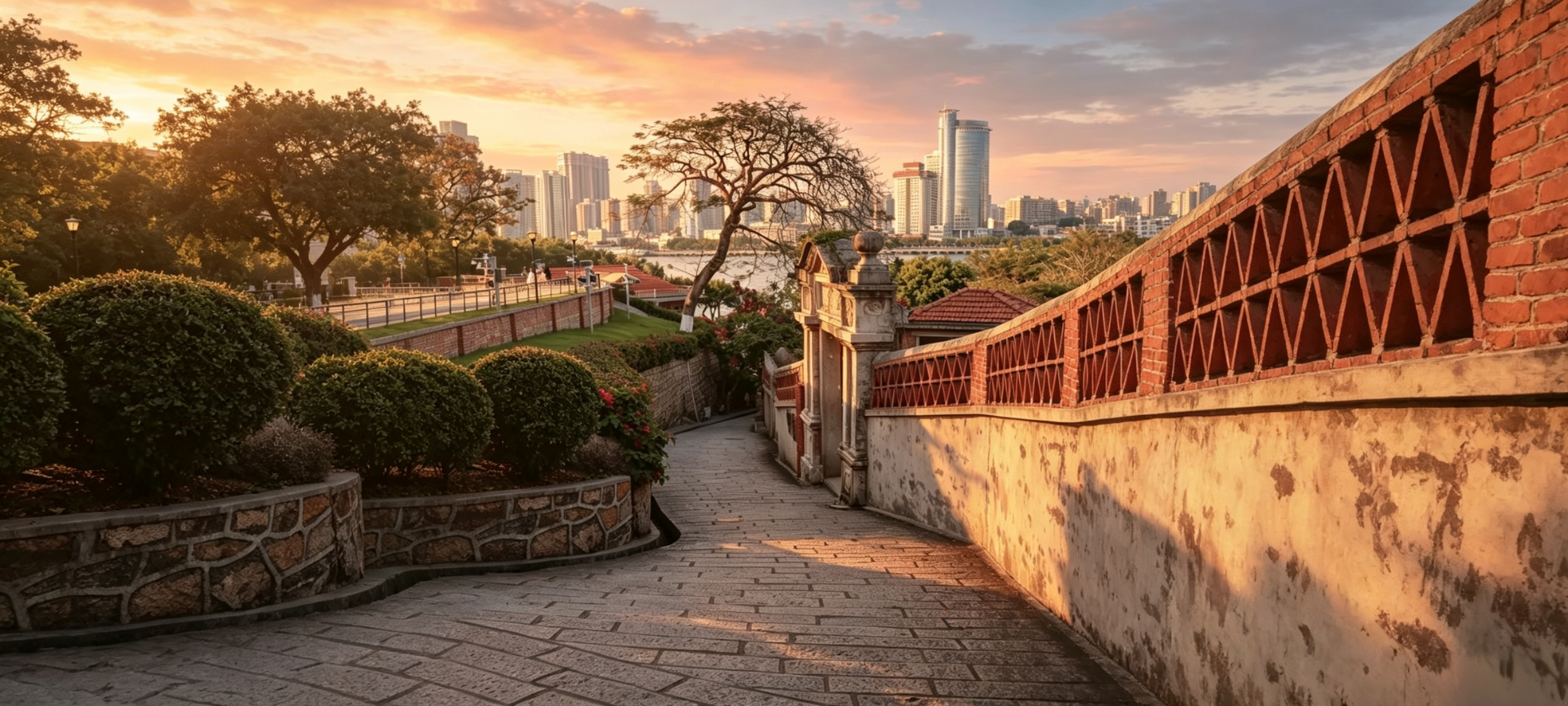
Sunlight Rock is Gulangyu's highest natural viewpoint. Climb up to its summit to capture sweeping panoramic views across Xiamen Bay, with the city skyline stretching across the sea. Shuzhuang Garden masterfully blends classical Chinese garden aesthetics with coastal seascape. Pavilions, rockeries and ponds are arranged to frame the ocean as a natural extension of the garden. The island's labyrinth of narrow alleys hides countless weathered villas with pastel facades, carved window frames and old wrought-iron railings, designed in diverse international styles. Soft diffused light between buildings delivers excellent opportunities for intimate cultural and architectural photography.