Tour Overview
Discover China’s timeless legacy and modern dynamism on this iconic 9-day deluxe golden triangle journey across three legendary cities: Beijing, the nation’s imperial capital; Xi’an, the 13-dynasty ancient capital and starting point of the Silk Road; and Shanghai, a global international financial hub. Immerse yourself in multiple UNESCO World Heritage Sites, including the Forbidden City, Badaling Great Wall and Terracotta Army. Cycle atop Xi’an’s ancient city wall, trace glorious Tang Dynasty culture, and witness the striking harmony of oriental heritage and futuristic urban glamour in Shanghai.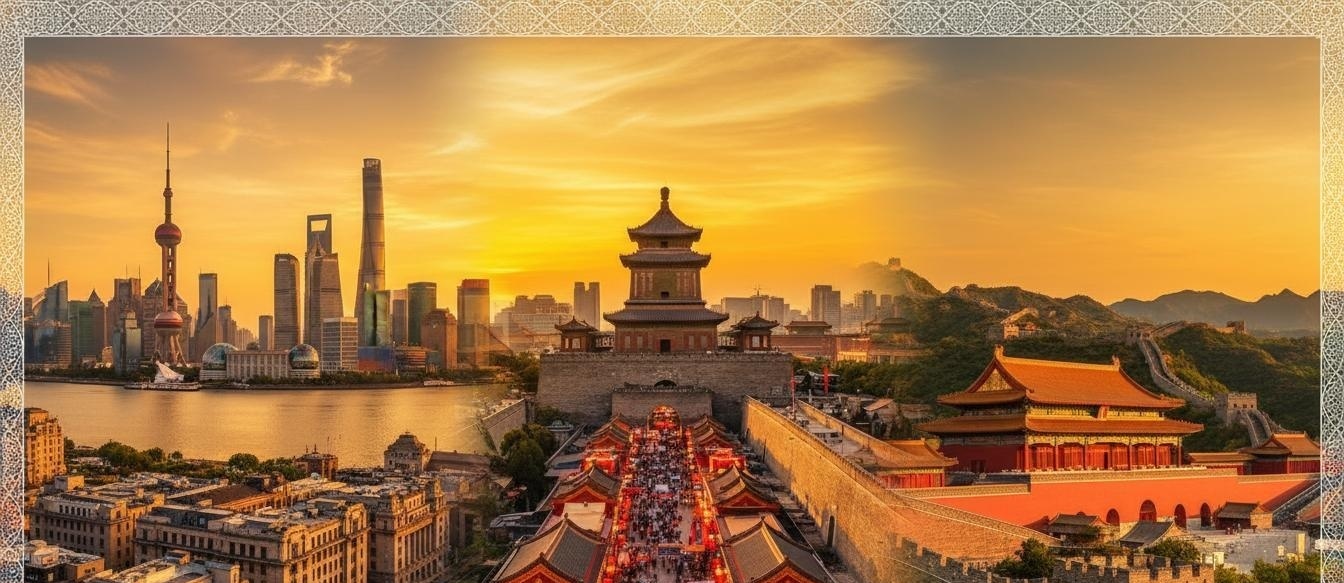
Tour Highlights
Detailed Daily Itinerary
Your China adventure begins as you land at Beijing airport. Your private guide and driver will meet you upon arrival, then escort you via private luxury vehicle to your centrally located premium hotel. Settle in and recover from your long international flight. Take time to wander nearby streets at your leisure.
Spend the full day exploring the symbolic heart of China and the monumental imperial palace complex built for Ming and Qing emperors. Walk the central axis of old Beijing and admire the most iconic royal architecture of China.
Spot Highlight
Tiananmen Square: The world’s largest urban public square and the symbolic heart of modern China. It sits directly in front of the palace gate, framed by grand national buildings. This vast plaza carries profound historical meaning and serves as the ceremonial gateway to the Forbidden City.
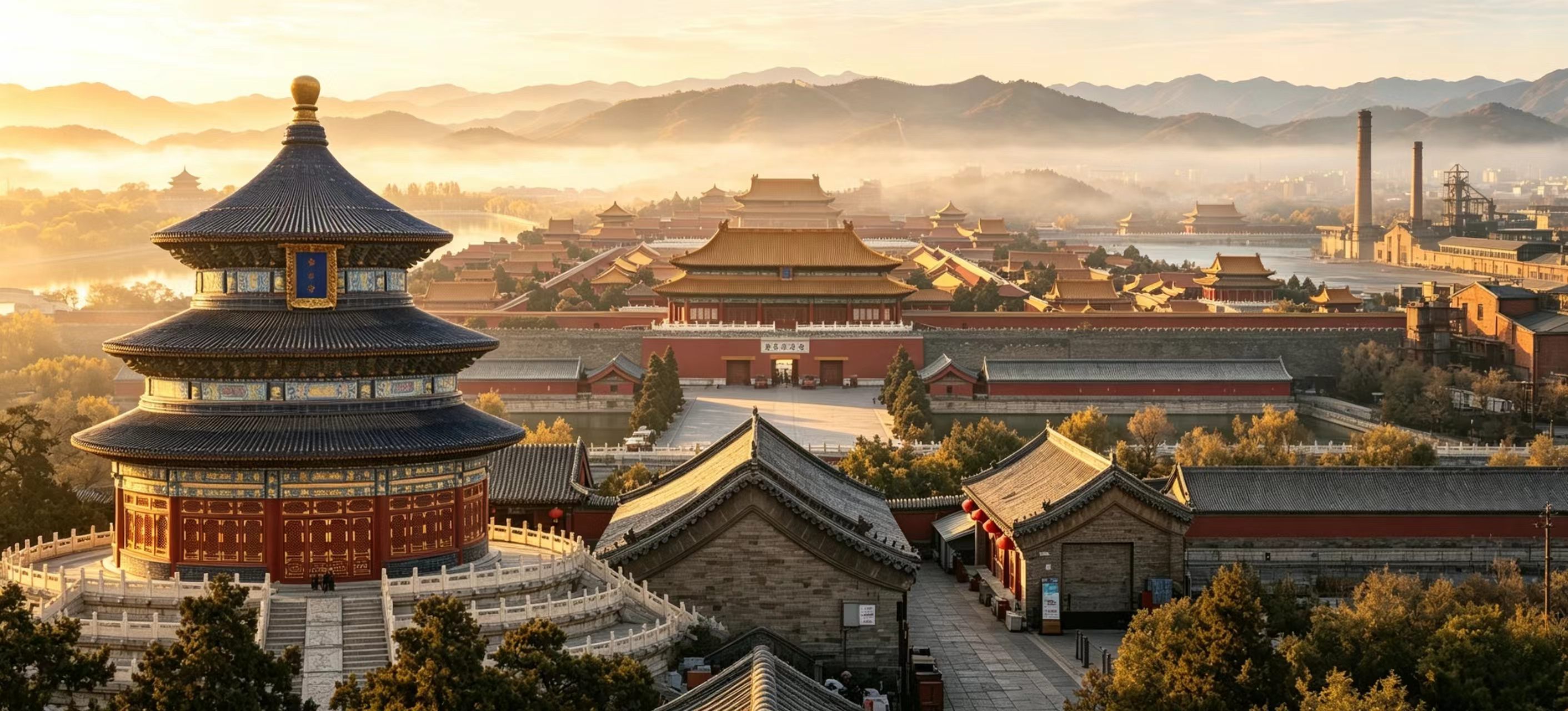
The Forbidden City (Palace Museum): UNESCO World Heritage Site, the world’s largest surviving ancient wooden imperial palace complex. Constructed between 1406 and 1420, it served as the imperial residence for 24 Ming and Qing emperors over nearly 500 years. Divided into Outer Court for grand state ceremonies and Inner Court for royal daily life, it features crimson walls, golden glazed roof tiles and symmetrical layouts. The Hall of Supreme Harmony, the largest wooden hall in China, hosted coronations and imperial celebrations. The museum houses over 1.8 million priceless artefacts, from imperial jade to royal paintings and antique clocks.
Jingshan Park: Positioned directly north of the Forbidden City. Built with soil excavated during palace construction, this artificial hill delivers the best unobstructed panoramic overlook of the entire Forbidden City. From its summit, you can trace the full length of Beijing’s ancient central axis and capture sweeping views of red walls and golden roofs stretching to the horizon.
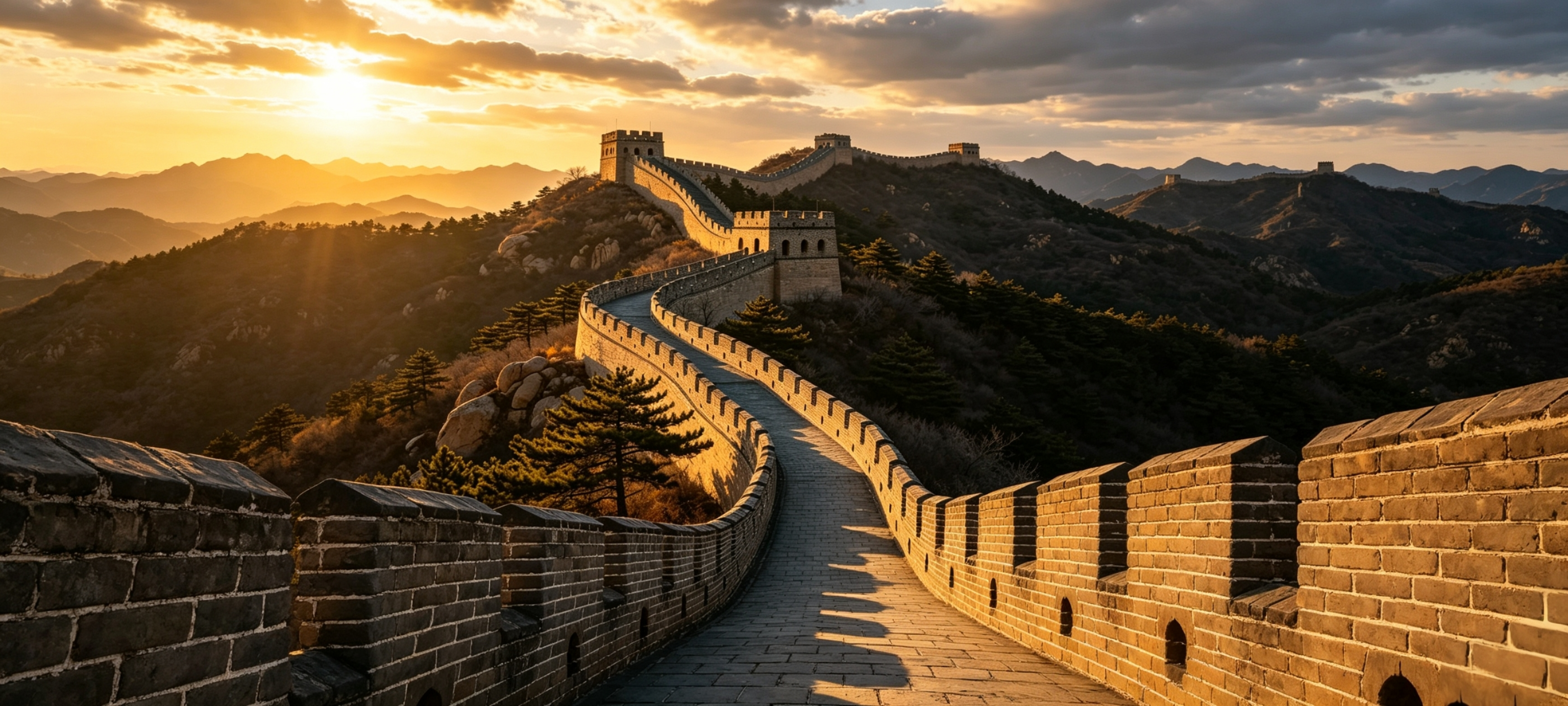
This day unites two landmark UNESCO sites: China’s legendary military defensive wonder and its most magnificent classical royal garden, showcasing ancient engineering genius and refined Chinese landscape aesthetics.
Spot Highlight
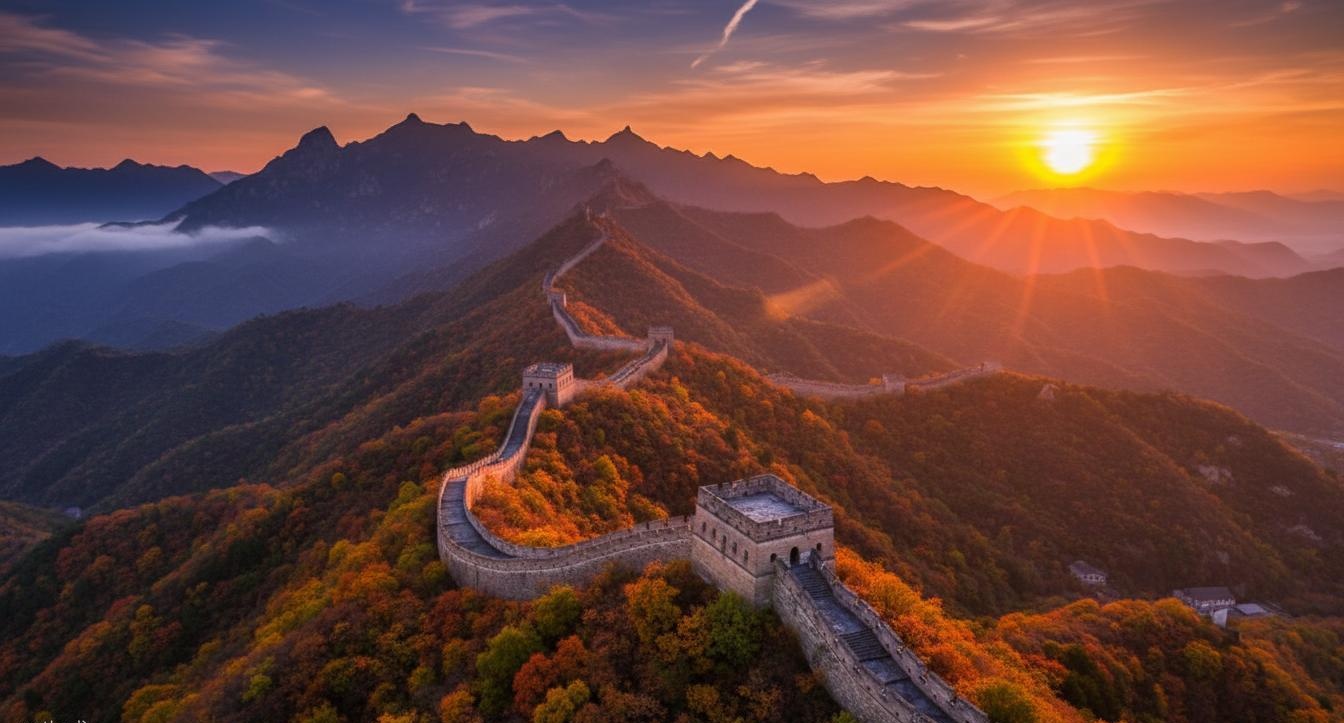
Badaling Great Wall: UNESCO World Heritage Site, the most representative and well-preserved section of the Great Wall of China, built in the Ming Dynasty as a critical northern defence stronghold. Stretching like a giant dragon winding across rugged mountain ridges, the wall stands roughly 7–8 meters tall with a 4–5 metre wide walkway wide enough for ten people to walk side-by-side. The battlements, arrow slits and beacon towers formed a sophisticated early warning and defence network. The famous “Hero’s Slope” here embodies the famous Chinese saying “He who has never climbed the Great Wall is not a true hero”.
Summer Palace: China’s largest and best-preserved royal garden, another UNESCO World Heritage Site. Created as a summer retreat for Qing emperors, it masterfully blends natural mountain and lake scenery with man-made pavilions, covered corridors, bridges and halls. Kunming Lake occupies three-quarters of the garden area, while Longevity Hill forms the scenic focal point. The 728-metre Long Corridor, decorated with thousands of traditional paintings, is a masterpiece of Chinese garden design.
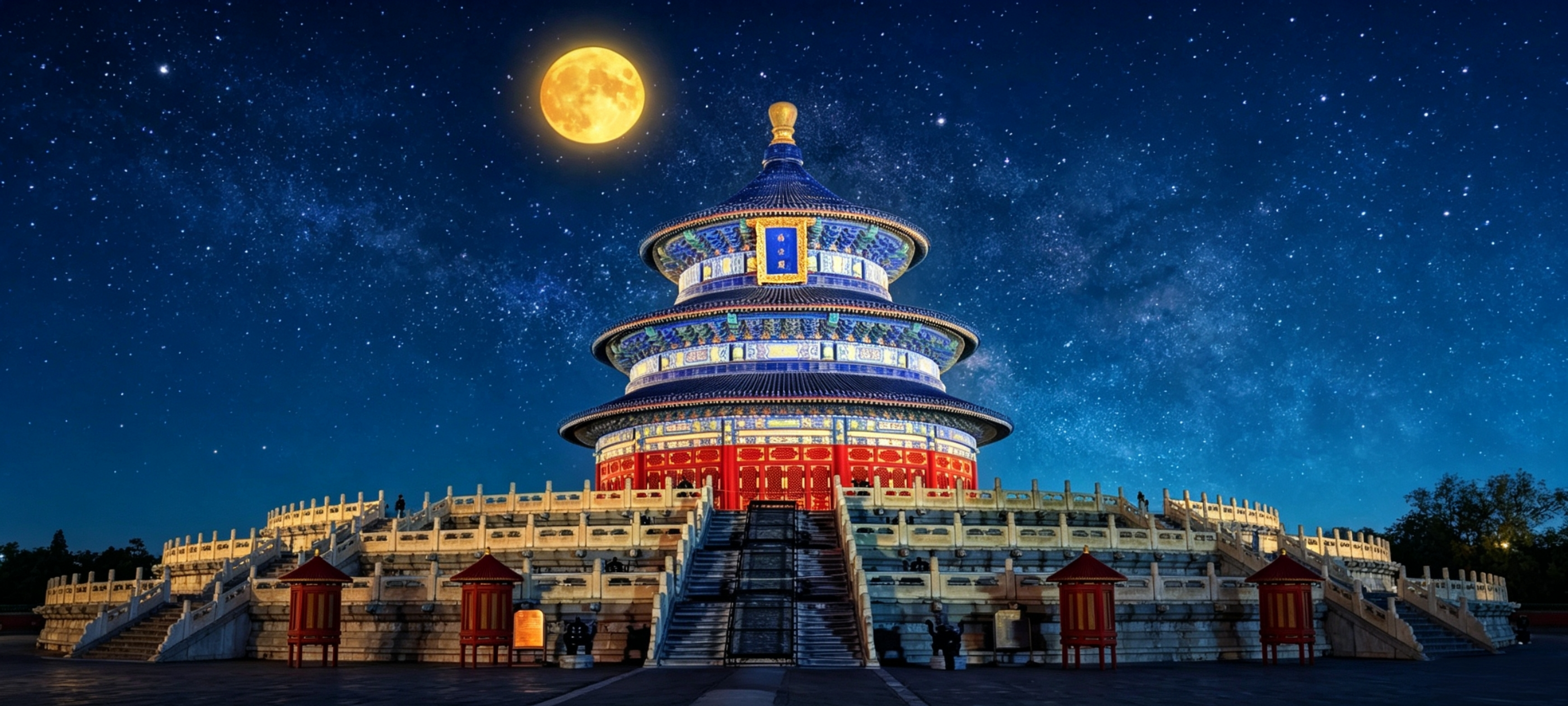
Journey from grand imperial ritual architecture to the quiet residential lanes of old Beijing, contrasting the solemn grandeur of imperial worship with the intimate, slow folk lifestyle of traditional Beijing courtyard communities.
Spot Highlight
Temple of Heaven: UNESCO World Heritage Site, China’s largest ancient imperial sacrificial complex. For centuries, Ming and Qing emperors travelled here twice yearly to pray to heaven for bumper harvests and national peace. The design embodies ancient Chinese cosmology: circular buildings symbolise heaven, square foundations represent earth. The Hall of Prayer for Good Harvests, with its iconic triple blue roof, is one of the most recognisable pieces of Chinese architecture, built without a single metal nail in its main wooden framework.
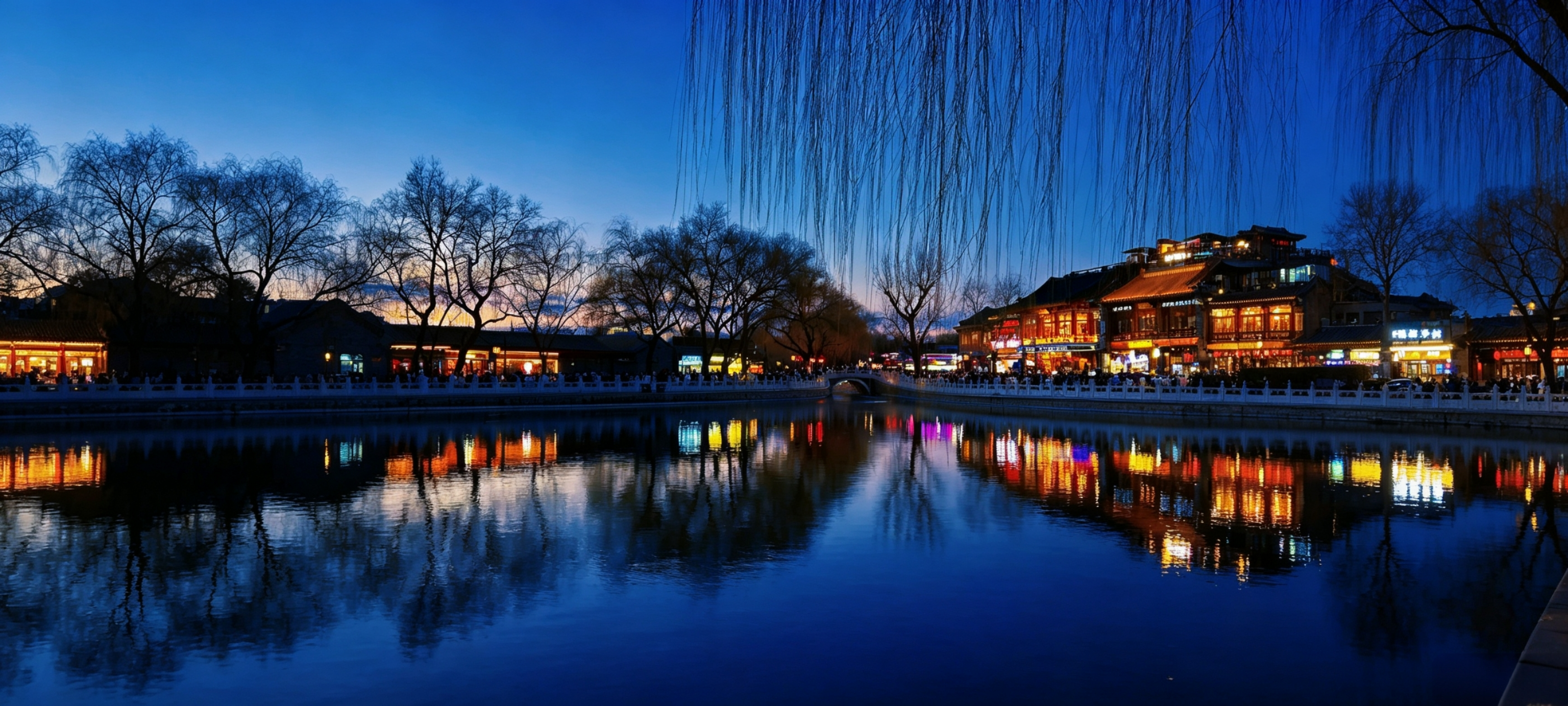
Old Beijing Hutongs & Courtyards: Hutongs are narrow, winding alleyways that formed the residential grid of old Beijing. Inside lie siheyuan courtyard houses, traditional four-sided homes built around a central yard, where generations of families once lived. Walking through these lanes lets you escape the bustle of modern Beijing, observe local daily life, and touch the authentic folk culture that has survived hundreds of years.
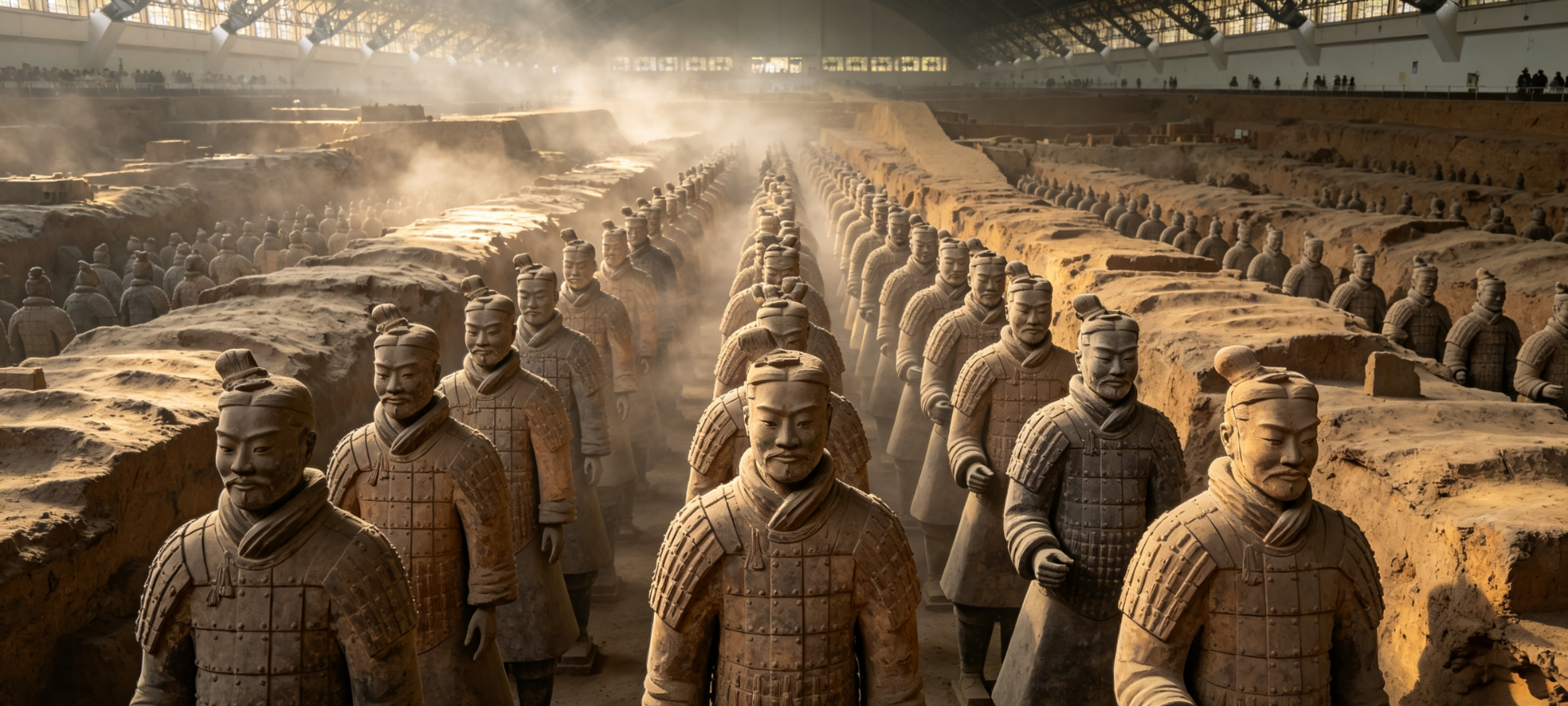
Board your train from Beijing to Xi’an, the celebrated ancient capital of 13 dynasties and the eastern starting point of the Silk Road. Today you will witness the breathtaking Qin Dynasty legacy, explore the old Chang’an city centre and dive into lively Silk Road street food culture.
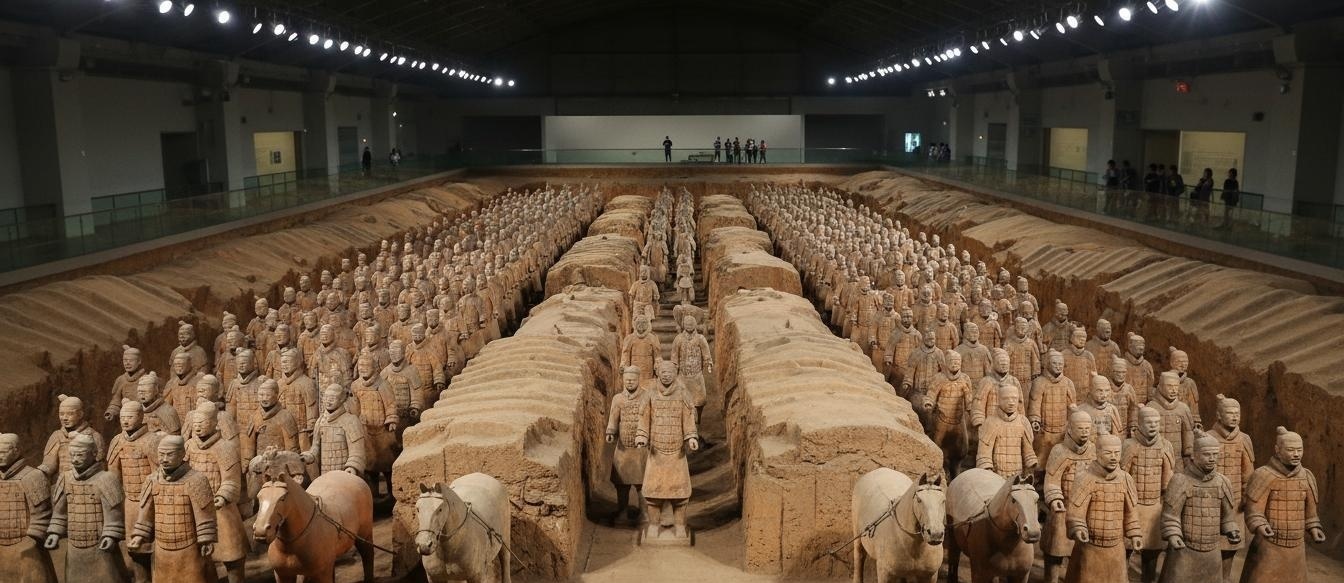
Spot Highlight - Terracotta Army Museum: UNESCO World Heritage Site, known widely as the Eighth Wonder of the World. Discovered accidentally by local farmers digging a well in 1974, this underground mausoleum complex holds thousands of life-sized clay warriors and horses. Every soldier has a unique facial expression and hairstyle, no two figures are identical. The statues once carried real bronze weapons, showcasing the extraordinary craftsmanship of Qin artisans more than 2,200 years ago.
Terracotta Replica Craft Workshop: Visit a local artisan workshop to observe the full traditional making process of terracotta replicas. Watch masters select clay, hand-model figures, carve fine facial details and fire the finished pieces in kilns. You can also learn about restoration work done on the unearthed relics.
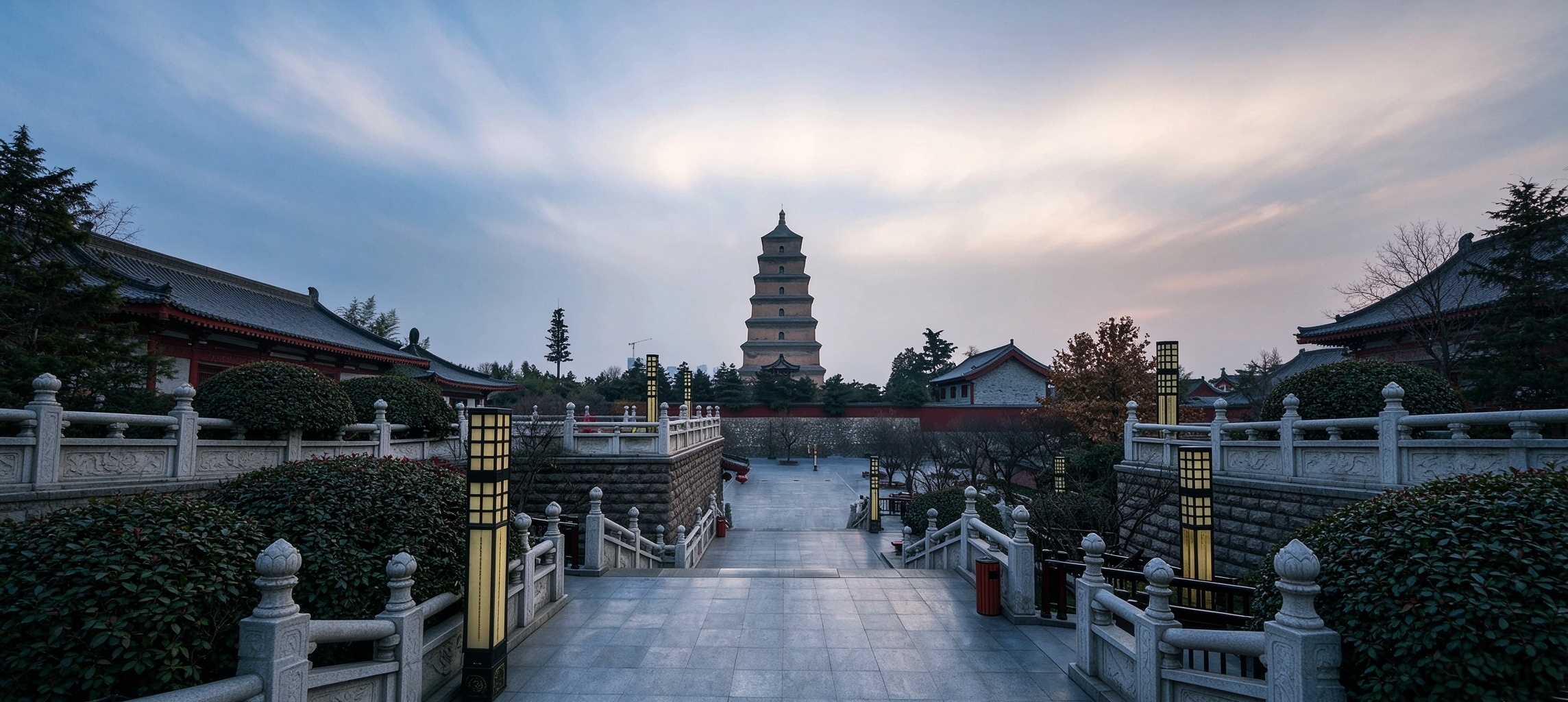
Step deep into the golden age of the Tang Dynasty, China’s most prosperous cosmopolitan era. Visit a world-class museum of Chinese civilisation, the iconic Buddhist pagoda built for scripture preservation, and a sprawling scenic park recreating Tang imperial grandeur.
Spot Highlight
Shaanxi History Museum: Often called the treasure house of Chinese civilisation. This national museum houses more than 370,000 precious artefacts spanning prehistoric cultures all the way through the Ming and Qing dynasties. Highlights include bronze ritual vessels, Tang gold and silver wares, colourful pottery figurines and ancient murals, vividly telling the story of the 13 dynasties that made Xi’an their capital.
Giant Wild Goose Pagoda: UNESCO World Heritage Site, the most famous landmark of Xi’an. Constructed in the Tang Dynasty to safely store Buddhist scriptures brought back from India by Monk Xuanzang. This brick pagoda stands as a timeless symbol of Silk Road religious and cultural exchange, with simple, elegant Tang-era architectural lines.
Tang Paradise: A large-scale cultural scenic area built to recreate the imperial gardens and palaces of Tang Dynasty Chang’an. Lakes, pavilions, grand halls and artistic performances bring the glamour of the Tang golden age back to life. It is the perfect place to imagine the cosmopolitan, prosperous capital of 1,300 years ago.
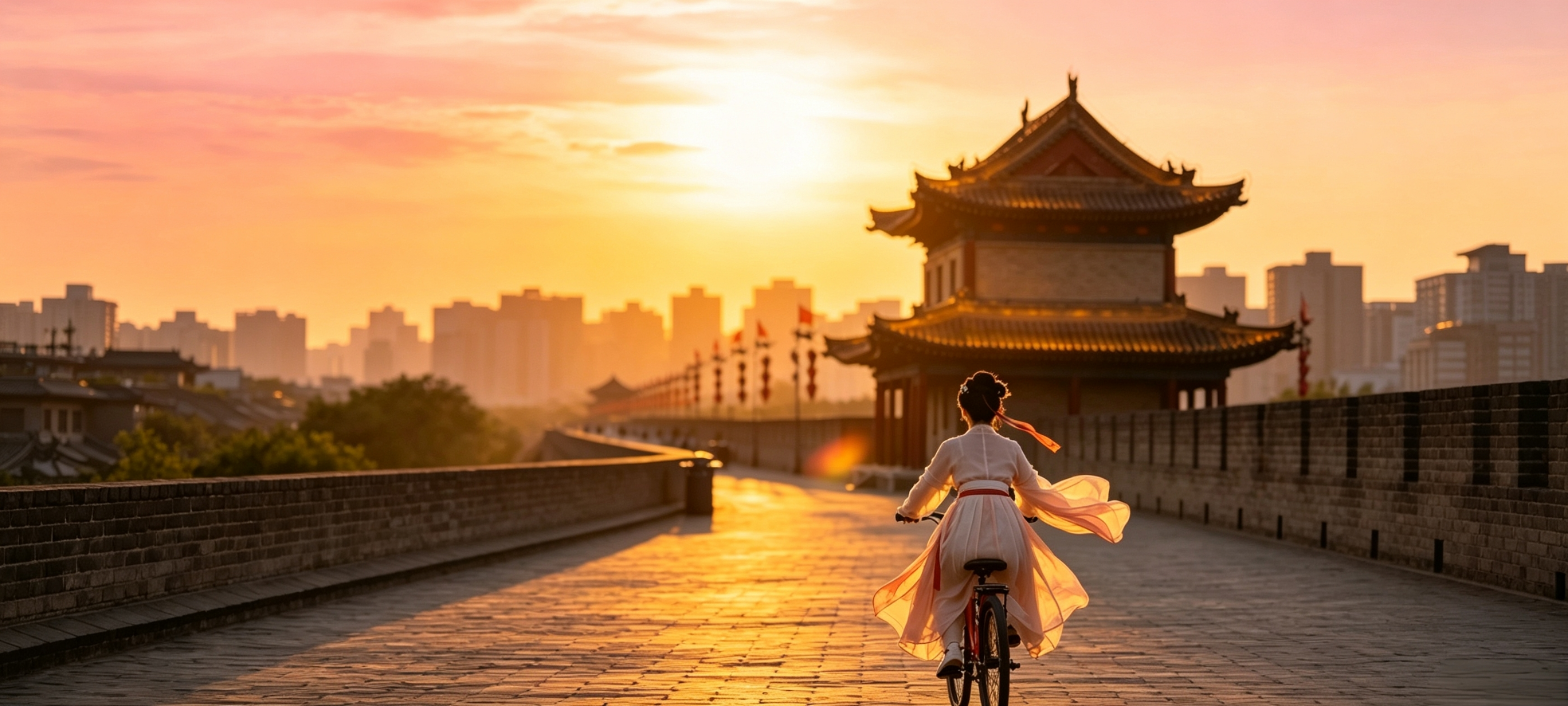
Kick off your morning with the signature experience of Xi’an: cycling atop the ancient city wall. After this unforgettable activity, fly east to Shanghai, China’s dazzling international metropolis, and check into your hotel.
Spot Highlight
Xi’an Ancient City Wall: The world’s largest, oldest and most completely preserved ancient city rampart, stretching 13.74 kilometres around the historic city core. Built over 600 years ago during the Ming Dynasty, the wall is 12 meters high, with wide paved tops perfect for cycling. As you ride, you can look inward onto low old alleys and courtyards inside the wall, and outward toward towering modern skyscrapers, creating a striking visual clash between ancient history and contemporary urban life.
Explore Shanghai’s unmatched charm, where century-old European waterfront architecture, classical Chinese gardens and futuristic modern skyscrapers blend seamlessly. This day reveals the unique hybrid culture that defines Shanghai.
Spot Highlight
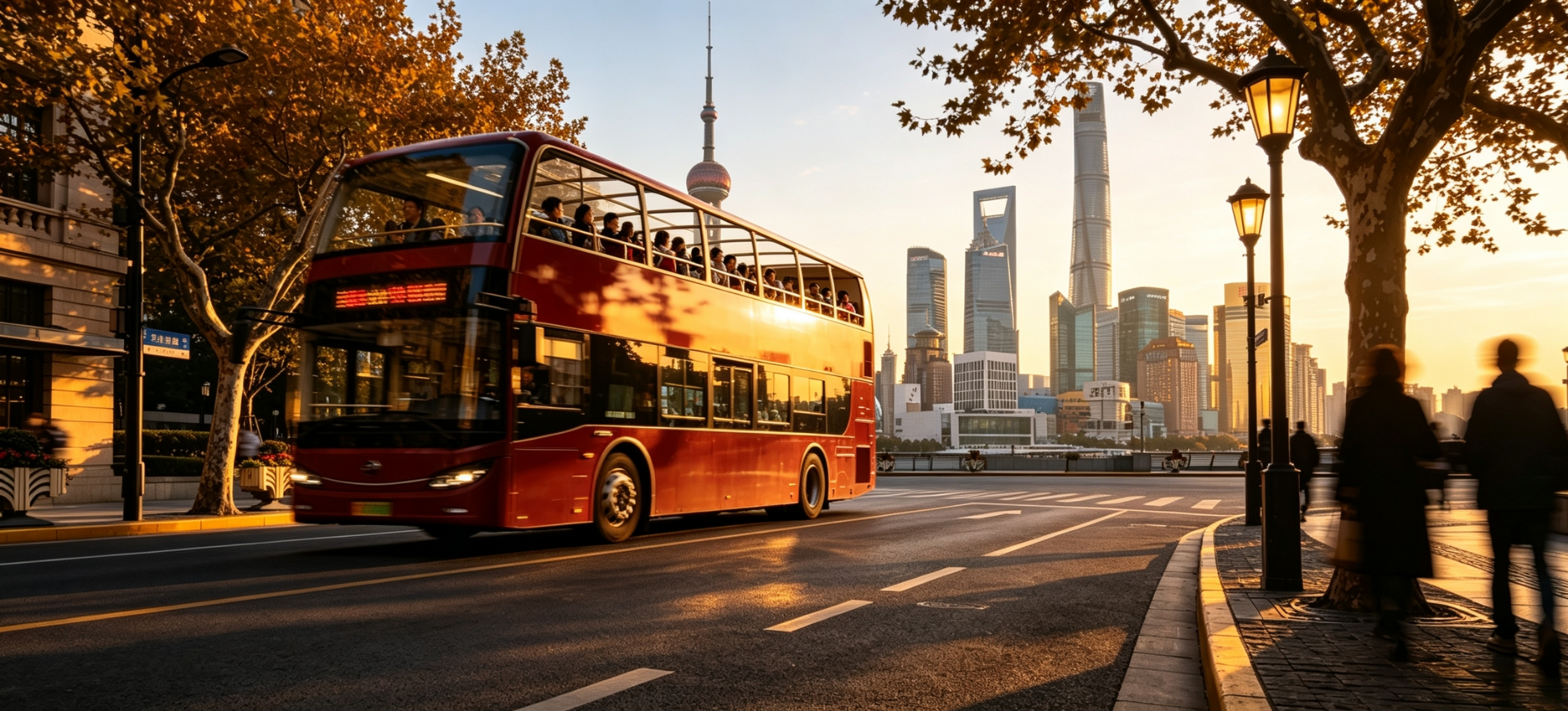
The Bund: Shanghai’s most iconic waterfront landmark. Stretching along the Huangpu River, this mile-long promenade is lined with 52 grand European-style buildings built between the 1920s and 1930s, nicknamed “Exhibition Hall of World Architecture”. Gothic, Baroque, neoclassical and Art Deco styles stand side by side, telling stories of Shanghai’s historic international trade era.
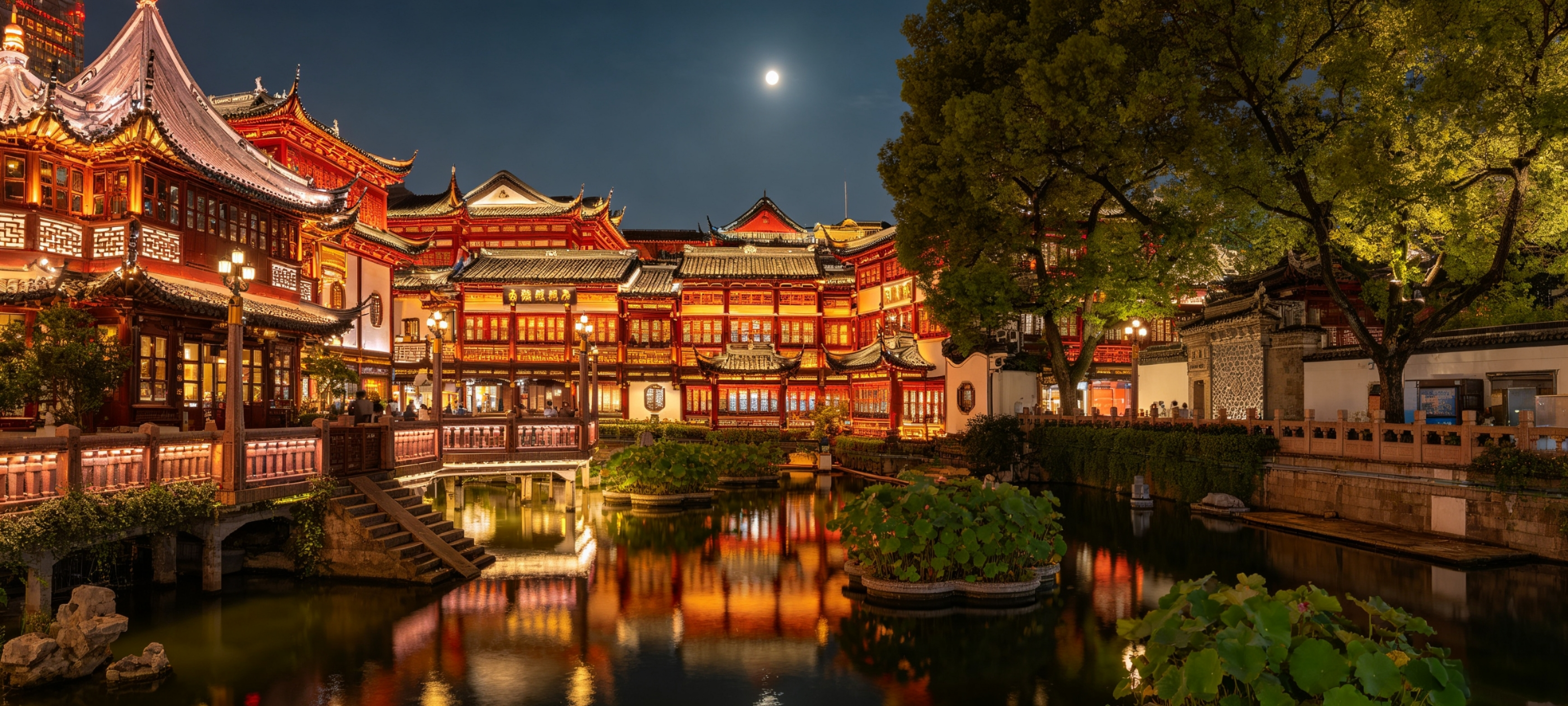
Yu Garden & Old Town: A 400-year-old classical Chinese garden built in the Ming Dynasty. It features exquisite rockeries, winding ponds, delicate pavilions and miniature landscape design representing traditional Jiangnan garden art. Next to the garden is the bustling Old Town bazaar, filled with local snacks, handicraft shops and traditional Chinese architecture.
Former French Concession (Wukang Road): A beloved tree-lined historic avenue. Lined with plane trees, century-old European villas, art galleries and cosy cafes, this district retains the romantic literary vibe of old Shanghai. The famous Wukang Mansion stands here, one of the most photographed buildings in the city. -
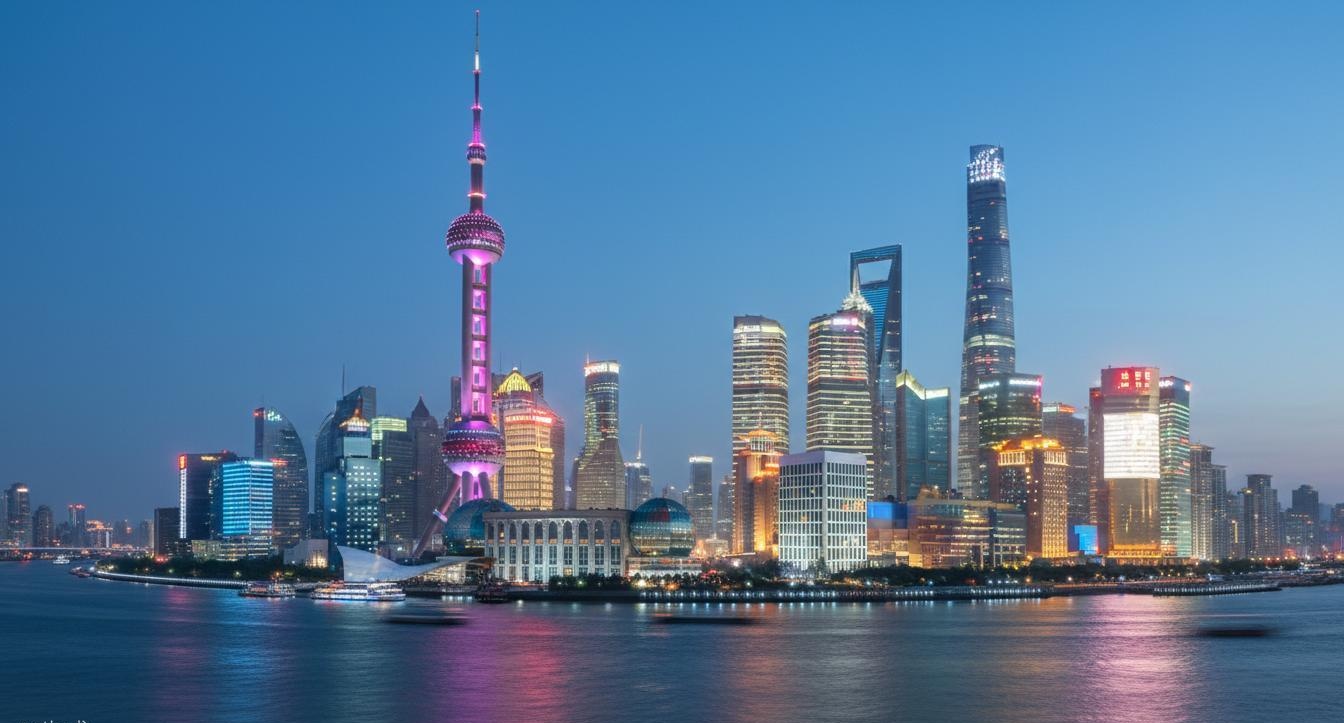
Lujiazui Financial District: Shanghai’s modern financial heart on the east bank of Huangpu River. Home to Shanghai Tower, Jin Mao Tower and Oriental Pearl Tower. These record-breaking skyscrapers form China’s most dramatic modern skyline, showcasing Shanghai’s position as a global financial hub.